
Low tox, low plastic
Recommendations.
The swaps we actually made, room by room.
These are the products in our house now. Each one replaced something with plastic, fragrance or ingredients we didn’t want near our hormones while trying to conceive. The checklist covers the swaps that matter most; the full list below it is everything else, by category.
Some links are affiliate links. It never changes what makes the list.
Your swap checklist
Make these changes first. Use apps like “Think Dirty” to scan products. Scroll down for my full product recommendations and where to buy them.
0 of 6 swapped
See the full swap list →Product recommendations and where to buy
Filter by category:


Aarke carbonator
Replace your plastic soda stream with a stainless steel carbonator.
View on Amazon.ca →

British Berkefeld water filter
The top rated at-home water filter system to clean your water and reduce toxins and microplastics.
View on Amazon.ca →
Stainless steel spigot
Replaces the plastic spigot the water filter comes with, and shows how much water you have left.
View on Amazon.ca →
Manual seed grinder
Flax seeds should be ground for your body to absorb the nutrients.
View on Amazon.ca →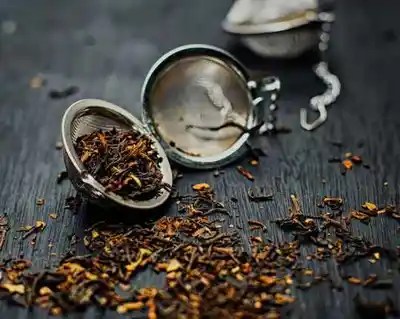
Stainless loose tea holder
Skip the tea bags: loose leaves in a strainer like these.
View on Amazon.ca →


ATTITUDE mineral sunscreen
Zinc oxide stick, SPF 30, in a non-plastic casing.
View on Amazon.ca →
Weleda salt toothpaste
A large independent study found this among the few toothpastes with far lower heavy metal levels.
View on Amazon.ca →
PRIMALS boar bristle toothbrush
Many bamboo brushes still use nylon bristles. These are made more naturally and still clean well.
View on Amazon.ca →


Nellie's dishwasher powder
Unscented, plant-based, phosphate-free and septic-safe. 100 loads.
View on Amazon.ca →
Nellie's dish butter bar
A soap bar for washing dishes in the sink. Use with the bamboo brush.
View on Amazon.ca →
Bamboo dish brushes
Natural bamboo palm scrub brushes for pots and pans, pack of four.
View on Amazon.ca →

Cycle tracking wall calendar
Track your cycle to target ovulation and see progress over time, with a monthly checklist of what to do in each phase.
Order on Etsy →
Basal body thermometer
BBT confirms ovulation actually happened. The Easy@Home Bluetooth one is simple, with a light for dark mornings in bed.
View on Amazon.ca →
Ovulation and pregnancy strips
Pinpoint your LH surge and when ovulation happens. The box includes pregnancy test strips too.
View on Amazon.ca →What I'd watch and read
The things that actually changed how I shop. Not affiliate links, just what convinced me.

The Plastic Detox
Six couples with unexplained infertility cut their plastic exposure for three months, guided by Dr Shanna Swan. The closest thing to this protocol that exists on screen.
Watch on Netflix →
Plastic People
Microplastics found in organs, blood and placentas. The one that made me look at my kitchen differently.
Where to watch →
Diary of a CEO: the toxicologist
Dr Yvonne Burkart on fragrance, candles and endocrine disruptors. She came to it through her own fertility struggle.
Listen →
Glucose Revolution
Jessie Inchauspe, the Glucose Goddess. The blood sugar habits that sit under my whole protocol.
Read →
Toxic Beauty
How little of what goes on your skin is actually tested before it's sold.
Where to watch →
Slow Death by Rubber Duck
Rick Smith tested his own body after living normally for a week. Canadian, and still the clearest explanation I've read.
Read →Streaming rights move, so these link out rather than printing where each one lives.